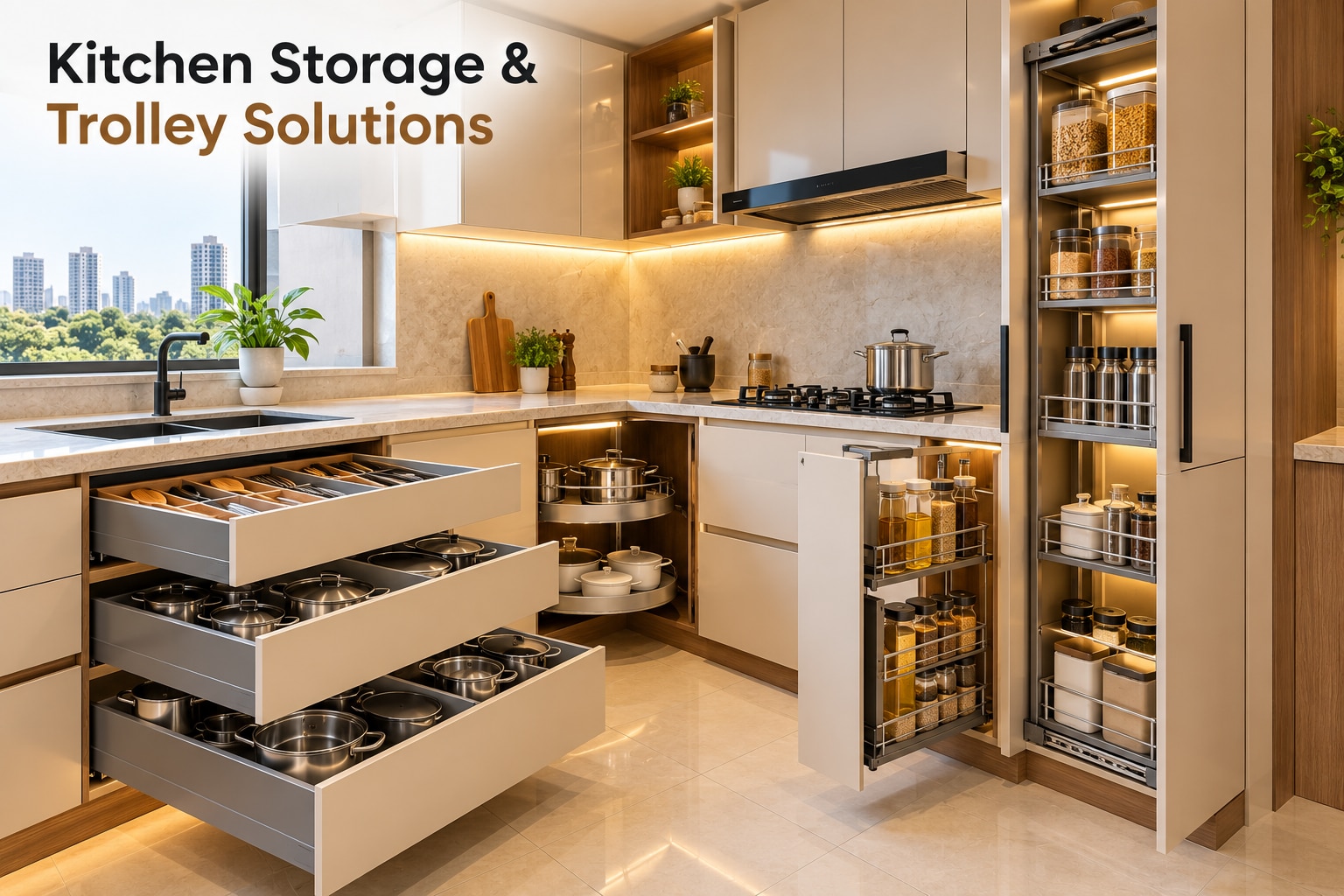
A trolley that fits a nominal 450 mm cabinet can still bind, waste space or collide with plumbing when the actual opening and internal depth are different. By the end, you will know which storage mechanism suits each task, what to measure in millimetres, which materials and load ratings to specify, and how to check the installation before sign-off.
Key takeaways
- Match bottle pull-outs, pantry units and corner mechanisms to specific storage jobs.
- Measure cabinet width, depth and height before ordering a kitchen trolley.
- Specify material, runner type, load rating and basket restraints in writing.
- Test each loaded trolley after installation, including clearance around plumbing and appliances.
Match the storage mechanism to the job
A bottle pull-out suits oils, sauces and tall containers beside the hob, but it is not a general pantry. Specify basket dividers and a front restraint: its narrow, tall load has a high centre of gravity, so bottles can fall when the trolley starts or stops.
| Option | Best use | Main limitation |
|---|---|---|
| Bottle pull-out | Oils, sauces and bottles | Needs dividers, restraint and a square carcass |
| Corner carousel | Frequently used corner cookware | Consumes cabinet volume and leaves unusable pockets |
| Magic-corner fitting | Bringing rear-corner items forward | Costs more and needs precise carcass dimensions |
| Le Mans fitting | Separate access to deep corner storage | Requires accurate installation and leaves mechanism clearance |
| Tandem drawer | Heavy cookware and plates | Needs strong, full-extension runners |
| Pantry unit | Tall food containers and dry goods | Requires a complete-fitting load rating |
| Waste-bin pull-out | Segregated bins near food preparation | Must clear pipes, hinges and the cabinet base |
| Lift-up unit | Light, frequently accessed items | Unsuitable for heavy cookware |
| Ordinary cabinet shelf | Infrequently used corner storage | Less convenient but often cheaper and roomier |
A carousel improves access to a dead corner, yet consumes volume and needs exact carcass dimensions. A blind-corner shelf can provide more low-cost capacity when that corner is used infrequently.
Use drawers and pull-outs for heavy loads; reserve lift-up storage for light daily items. A sink cabinet needs dedicated space for the trap, filter, waste pipe and shut-off valves, not a standard drawer layout. A removable service panel or shallow upper drawer prevents collisions and preserves maintenance access.
For kitchen storage solutions and trolley in Thane, and a modular kitchen with storage solutions in Thane, match the mechanism to the load and access frequency—not just the catalogue appearance.
Measure the cabinet before choosing a trolley size
A 450 mm pull-out does not guarantee 450 mm of storage. Measure the cabinet and its obstructions in millimetres before choosing a kitchen trolley in Thane.
| Nominal size | What it indicates | What reduces usable space |
|---|---|---|
| 300 mm | Approximate fitting category | Side panels, runners, hinges and adjustment gaps |
| 450 mm | Approximate fitting category | Door thickness, handle clearance and runner hardware |
| 600 mm | Approximate fitting category | Internal partitions, plumbing and service gaps |
Record these measurements at the front, middle and rear; out-of-square walls can produce different readings:
- Cabinet opening width and internal width
- Internal depth, clear height and plinth clearance
- Door thickness, hinge projection and handle clearance
- Rear service gap, including pipes, filters and shut-off valves
- Beam drops, skirting, electrical points and nearby appliance projections
- Adjacent door swing and any clash with handles or drawer fronts
Compare the hardware’s required installation width with the actual opening, not with the nominal 300 mm, 450 mm or 600 mm label. For modular kitchen fittings in Thane, also check the cabinet carcass: 560–600 mm depth and a 600–650 mm countertop are planning references, not guarantees.
Plumbing, uneven walls and a rear gap can make a full-depth trolley bind or stop short of closing. At the sink, reserve space for the trap and waste pipe; a shallow drawer or removable service panel is safer than boxing in the plumbing.
Specify materials, runners and load ratings precisely
A quotation must name the material, not merely say “premium.” Specify stainless steel grade such as 304 or 316, powder-coated steel or aluminium baskets, BWP or exterior-grade plywood, moisture-resistant board, laminate face, PVC or ABS edge-banding, finish, basket count, runner type and dynamic load capacity.
State whether the rating applies per basket or to the complete fitting.
Ask for separate intended-load entries for:
- Bottles, with dividers and front restraint
- Cookware, including stacked pans and lids
- Grain containers, with their filled weight
- Appliances, including mixer-grinders or heavy countertop equipment
- Waste bins, including the bin, liner and refuse load
Unsealed cut edges, sink cut-outs, floor-level plinths and dishwasher side panels can swell despite water-resistant board. Require sealed edges, protected cut-outs, a raised or sealed plinth and a replaceable sink-base panel.
Runner choice changes daily use and maintenance.
| Runner type | Rear access | Load and upkeep |
|---|---|---|
| Full-extension | Reaches almost the entire basket | Better access; requires accurate alignment, cleaning and correctly rated hardware |
| Partial-extension | Leaves the rear partly inside | Less access; simpler replacement, but rear items remain difficult to retrieve |
Wide drawers and thick or solid shutters increase racking and hinge loads. Soft-close action cannot rescue an underrated runner or hinge. For modular kitchen fittings in Thane, make these figures part of the written specification; modular kitchen with storage solutions in Thane should not rely on a generic “heavy-duty” label.
Plan installation around plumbing, appliances and site conditions
Installation starts with the site, not the cabinet: verify wall, floor and ceiling conditions before dimensions are frozen. Level and square each carcass, fix it securely to suitable wall structure, then align runners so drawers do not bind or rack.
| Stage | Check or action | Failure if missed |
|---|---|---|
| Wall, floor and ceiling | Record out-of-plumb walls, uneven floors, plaster thickness and beam drops | Filler gaps, tilted doors or height clashes |
| Carcass | Level, square and anchor units before fitting hardware | Loose cabinets and misaligned fronts |
| Services | Scan or confirm concealed electrical, gas and water routes before drilling | Punctured pipes or damaged cables |
| Countertop | Cover and support it during drilling and fixing | Chips, scratches or cracked edges |
| Hardware | Align runners after the carcass is fixed | Noisy, stiff or uneven drawers |
A sink base needs a removable service panel for the trap, filter, waste pipe and isolation valves. Keep drawers away from these obstructions; a deliberately shallow upper drawer is safer than forcing a full-depth drawer into plumbing. Preserve hand access to every shut-off valve.
Use the appliance manual, not a generic drawing, for oven, refrigerator, dishwasher and built-in microwave intake, exhaust and air-clearance dimensions. Blocking ventilation can cause overheating and warranty disputes.
Makwana Modular Kitchen, a modular kitchen manufacturer in Thane, should be compared on its on-site survey: does it record plaster thickness, skirting, beam drops, electrical points, and gas or water positions? For a modular kitchen with storage solutions in Thane, that verification matters more than catalogue finishes.
Related products
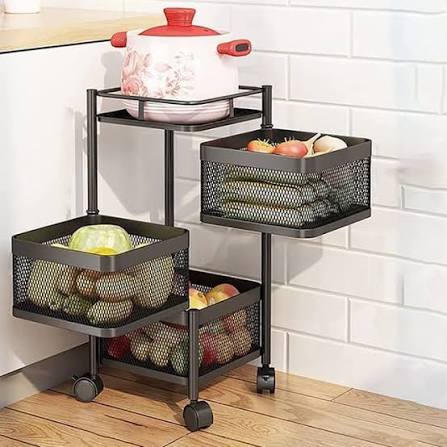 | Kitchen Trolley Kitchen Trolley Makwana Modular Kitchen, located in Thane, Maharashtra, offers stylish and functional kitchen trolley solutions for modern homes. |
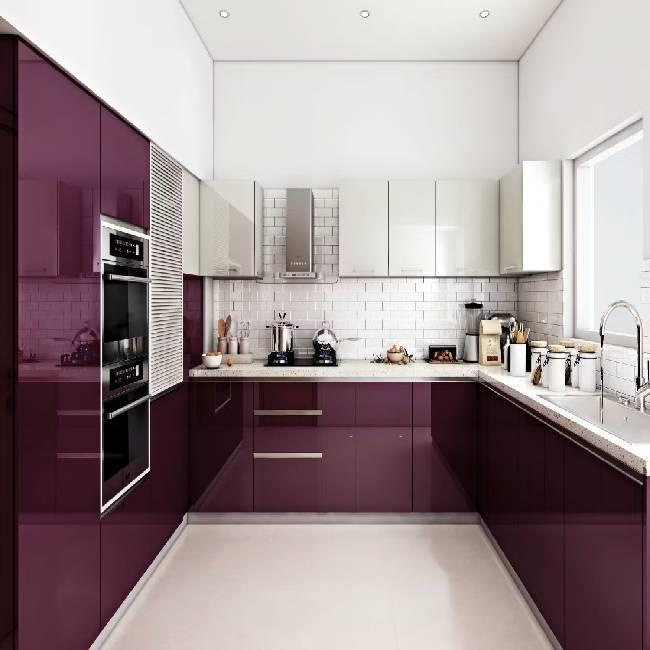 | Modular Kitchen Modular Kitchen Makwana Modular Kitchen, located in Thane, Maharashtra, offers modern, stylish, and functional modular kitchen solutions for homeowners looking to... |
Use a written specification and loaded handover test
Compare quotations only after every supplier describes the same measurements and hardware. For kitchen storage solutions and trolley in Thane, reject a quote that gives only “300 mm” or “450 mm”: the width must say whether it means the cabinet opening or the hardware installation requirement.
- Cabinet opening, internal width, depth and height, all in millimetres
- Basket count, material, finish and corrosion protection
- Runner type, dynamic load rating, and whether the rating applies per basket or the complete fitting
- Anti-tilt arrangement, soft-close mechanism, adjustment method and service access
2. At handover, load each drawer, bottle pull-out, pantry, corner fitting and bin to its intended use, then run it through full travel. Check for sagging, sideways racking, runner noise, door or handle interference, rubbing, incomplete closing and collisions with pipes. Empty-unit testing misses failures that appear under load.
3. Confirm that sink plumbing shut-off valves remain reachable and that a drawer or bin does not strike the trap, filter or waste pipe. Record each hardware model, adjustment points and the replacement method, including how the runner or basket is removed without dismantling the cabinet.
Apply the same test to any kitchen trolley in Thane before signing acceptance.
Frequently asked questions
How do you choose the right kitchen storage mechanism?
Use a bottle pull-out for oils and sauces, pantry storage for dry goods, and corner mechanisms for difficult-to-reach cabinet space. Add basket dividers and a front restraint when storing tall bottles.
What measurements do you need before choosing a kitchen trolley?
Measure the cabinet’s clear internal width, usable depth and height after accounting for hinges, shelves, plumbing and appliance clearances. Use these measurements rather than the cabinet’s external size.
What should a kitchen trolley specification include?
State the material, finish, basket dimensions, runner type, soft-close requirement, load rating and restraint details. Specify the rating for the fully loaded trolley, not an empty unit.
How should you test a trolley after installation?
Load it with the intended items, open and close it repeatedly, check for wobble and verify that doors, drawers, plumbing and appliances remain clear throughout the movement.
Keywords